What Is Eco Luxury Travel?
Luxury travel used to be associated mainly with five-star hotels, large suites, room service, expensive restaurants, and impressive facilities. Those things still matter to many travelers, but the definition of luxury is expanding.
Today, some travelers want more than a beautiful room. They want privacy, peaceful surroundings, meaningful experiences, and the freedom to enjoy a destination without feeling disconnected from its natural environment.
That’s where eco luxury travel comes in.
Eco luxury travel combines comfort, thoughtful design, and high-quality hospitality with efforts to reduce environmental impact and respect local communities. Depending on the property, this may include water conservation, energy efficiency, reduced waste, locally sourced products, wildlife protection, and support for nearby businesses.
The experience doesn’t have to mean sacrificing comfort. An eco retreat might offer attractive accommodation, a private outdoor area, comfortable bedding, and personalized service while taking practical steps to manage resources responsibly.
Imagine waking up to tropical birds instead of traffic, enjoying breakfast outdoors, spending the afternoon exploring a forest or swimming in the sea, and returning to a quiet, comfortable place in the evening.
That experience can feel luxurious without relying on excessive consumption.
However, there’s an important distinction. Not every property that uses the word eco follows strong environmental practices. Responsible travelers should look beyond the label and examine what a property actually does.
Why Eco Retreats Are Becoming More Appealing
The growing interest in eco retreats reflects a wider change in what some travelers want from a vacation. People are increasingly considering how they feel during a trip, what they experience, and whether their choices align with their values.
Several factors help explain the appeal.
1. Travelers Want More Privacy and Personal Space
Busy hotels and crowded tourist areas work well for some vacations. But they’re not always ideal for people who want to slow down.
An eco retreat may offer a quieter setting, outdoor living spaces, fewer distractions, and greater access to nature. Depending on the accommodation, guests may have a private terrace, a garden, or a peaceful place to read and relax.
For families, privacy can mean having enough room for everyone to spend time together without sharing every facility with other guests. Couples may value the chance to enjoy a slower schedule, while groups might prefer a shared villa where conversations continue long after dinner.
Privacy alone doesn’t make a property sustainable, of course. But when a retreat combines a peaceful setting with responsible operations, it can provide a different kind of luxury experience.
2. Experiences Matter as Much as Facilities
Many travelers remember a vacation because of what they did, not simply because of where they slept.
A guided rainforest walk, a local cooking experience, a boat trip through tropical waterways, or a quiet morning watching birds can become the most memorable part of a stay.
Eco retreats often appeal to people who want these experiences to be part of the destination rather than an optional activity added to a conventional hotel vacation.
In Panama, for example, a nature-focused trip might include exploring the islands of Bocas del Toro, learning about local food traditions, or visiting a forest with a knowledgeable guide. Travelers can discover amazing things to do in Bocas del Toro, Panama when planning activities.
The goal isn’t to fill every hour with activities. It’s to create room for experiences that feel connected to the place.
3. Environmental Responsibility Is Becoming Part of the Decision
Some travelers now consider environmental practices when comparing accommodation. They may ask whether a property conserves water, reduces waste, protects natural areas, or works with local suppliers.
These questions can influence booking decisions, particularly for people who want their vacation choices to reflect their broader values.
Still, it’s worth being realistic. One eco-friendly feature doesn’t make an entire property sustainable, and an attractive description is not proof of responsible management.
Look for specific, verifiable actions rather than relying on labels alone.
4. Travelers Want a Better Balance Between Activity and Rest
A vacation can become surprisingly tiring when every day involves transport, crowded attractions, restaurant reservations, and a long list of things to do.
Eco retreats can encourage a more balanced approach.
You might spend one morning exploring a nature trail, another day swimming or taking a boat trip, and a third enjoying breakfast slowly before deciding what to do next.
This flexibility is particularly useful for families, groups, and travelers who want to return home feeling rested rather than needing another break.
How Eco Retreats Redefine Luxury
Eco luxury doesn’t simply mean placing expensive furniture inside a building surrounded by trees. Its appeal comes from the relationship between comfort, location, design, and the experience of staying there.
Thoughtful Design Instead of Excess
A well-designed retreat can feel special without being oversized or wasteful.
Natural light, cross ventilation where suitable, durable materials, shaded outdoor spaces, and thoughtful use of the surrounding landscape can improve the guest experience while supporting resource efficiency.
The quality of the design matters more than the number of decorative features.
A small terrace with a beautiful view may be more enjoyable than a large indoor room that rarely gets used. A comfortable outdoor dining area may become the favorite part of a property because it makes it easier to enjoy the climate and scenery.
Good design also considers the local environment. Buildings in tropical areas need to account for rainfall, humidity, ventilation, drainage, and protection from insects.
These practical details contribute to comfort just as much as the appearance of a room.
Personalized Hospitality
Luxury doesn’t always mean having someone available to fulfill every request immediately. Sometimes it means receiving useful help without feeling rushed or overwhelmed.
For a nature retreat, personalized hospitality might include clear arrival instructions, advice about local activities, help arranging transport, or recommendations for restaurants and guides.
This kind of service can be especially valuable in island destinations, where transport schedules and activity options may differ from those in large cities.
The best hospitality makes a destination easier to enjoy while allowing guests to explore at their own pace.
A Stronger Connection With Place
A retreat should feel connected to its surroundings rather than interchangeable with accommodation anywhere else in the world.
Local architecture, regional ingredients, nearby walking routes, cultural experiences, and partnerships with local guides can help create that connection.
In Panama, the setting might involve Caribbean island life, tropical vegetation, local seafood, or the biodiversity of nearby forests.
The experience becomes more meaningful when visitors understand something about the place they are visiting and the people who live there.
Sustainability Without Giving Up Comfort
One reason eco retreats appeal to luxury travelers is that sustainability doesn’t have to mean discomfort.
A property can offer a pleasant stay while making sensible choices about water, energy, materials, and waste. The challenge is finding the right balance between guest expectations and the realities of the local environment.
Energy Efficiency
Energy use is an important consideration for accommodation, particularly in tropical destinations where cooling and refrigeration may be essential.
Practical measures can include efficient lighting, well-maintained equipment, appropriate insulation, and design that reduces unnecessary heat gain.
Some properties may use renewable energy where feasible. Others may focus on reducing consumption through efficient systems and everyday operating practices.
The right approach depends on the property’s location, infrastructure, and energy needs.
Water Conservation
Water management can be especially important on islands and in places where freshwater supplies or infrastructure are limited.
Responsible practices may include repairing leaks, installing efficient fixtures, monitoring consumption, and using landscaping suited to local conditions.
Guests can contribute by avoiding unnecessary water waste, but accommodation providers carry much of the responsibility for managing water use across the property.
If a retreat operates in a sensitive natural setting, ask how it handles wastewater and protects nearby waterways.
Reducing Waste
A property may reduce waste by avoiding unnecessary single-use products, providing refillable water containers, separating recyclable materials where facilities exist, and planning food purchases carefully.
However, waste management depends on local services. In remote destinations, recycling options may be limited, making prevention and responsible disposal particularly important.
Travelers can help by bringing reusable items when practical and following the property’s waste guidance.
Supporting Local Businesses
Sustainability includes more than energy and water. It also involves how tourism affects the surrounding community.
Accommodation providers can support local economies by hiring local staff, purchasing from nearby suppliers, recommending independent restaurants, and working with local guides.
Visitors can contribute by buying local products, choosing responsible tour operators, and learning about local customs.
These actions don’t guarantee that a trip is sustainable, but they can help direct some tourism spending toward the people and businesses connected to the destination.
Protecting Wildlife and Natural Habitats
Nature-based tourism depends on healthy ecosystems.
Responsible properties and tour operators should avoid disturbing wildlife, damaging vegetation, or encouraging unsafe contact with animals. Visitors should follow trail rules, avoid feeding wildlife, and leave natural objects where they belong.
In marine environments, this also means avoiding contact with coral and respecting guidance about swimming and snorkeling.
A genuinely nature-focused experience should help guests appreciate the environment without treating it as a backdrop to be used without limits.
Why Nature Is Becoming Part of the Luxury Experience
Nature offers something that many indoor facilities cannot replicate: a sense of place.
The sound of rain on a roof, the changing light through tropical leaves, the view of mountains at sunrise, or the feeling of warm sea air can shape the mood of a vacation. In Bocas del Toro, nature-focused features such as Casa Botanica’s natural swim pond may also appeal to travelers looking for a distinctive stay.
These experiences don’t require expensive attractions. They require a suitable setting and enough time to appreciate it.
Nature Encourages a Slower Pace
A nature retreat can make it easier to step away from a packed schedule.
Instead of planning every meal and activity in advance, guests may spend time reading outside, walking nearby trails, or enjoying an unhurried breakfast.
This doesn’t mean everyone wants a quiet vacation. Some travelers prefer challenging hikes, diving, kayaking, or long days exploring. A well-chosen retreat can accommodate adventure while still providing a comfortable place to return to.
Outdoor Activities Add Variety
Luxury travelers don’t all have the same interests. Some want spa treatments and peaceful gardens. Others would rather spend the day on the water or exploring a forest.
Nature-focused destinations often offer several options within the same region.
Depending on the location and conditions, these might include:
- Guided rainforest walks
- Birdwatching
- Snorkeling and swimming
- Kayaking through suitable waterways
- Boat trips between islands
- Coffee farm visits
- Mountain hikes
- Wildlife observation
- Local food and cultural experiences
Choose activities that match your fitness, experience, and interests. A quiet walk with a knowledgeable guide can be just as rewarding as a demanding excursion.
Nature Makes a Trip Feel Distinctive
A beautiful room can be comfortable, but the surrounding environment often determines what makes a destination memorable.
A private villa in a tropical setting offers a different experience from a city hotel. A mountain retreat provides a different atmosphere from a beachfront resort. Neither is automatically better, but each suits a different kind of traveler.
The best choice is the one that matches the experience you actually want.
Panama as a Destination for Eco Luxury Travel
Panama offers a useful example of why nature-focused luxury travel appeals to different kinds of visitors.
The country connects Central and South America and has Caribbean and Pacific coastlines, tropical forests, mountain regions, islands, and protected natural areas. These environments create opportunities for very different types of trips.
A traveler might spend a few days exploring an island destination, then visit a mountain town or a rainforest area on another trip.
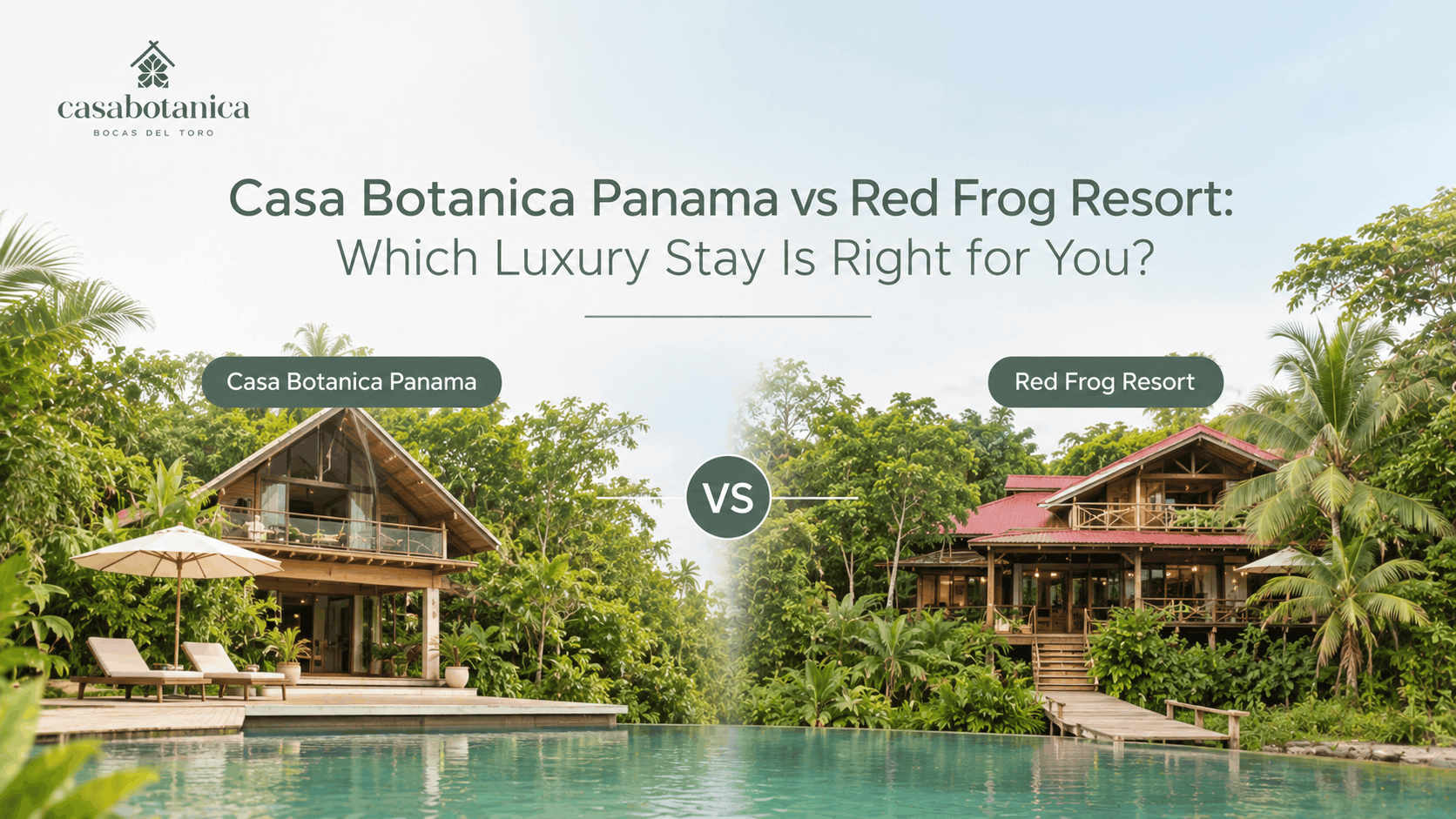
For anyone considering a nature-focused vacation, the key is to select the right region rather than trying to see everything in one visit. For a Caribbean island stay, Casa Botanica Panama is one property travelers can research while comparing accommodation options.
A Range of Natural Environments
Panama’s landscapes offer several distinct experiences.
Caribbean islands: Bocas del Toro is known for its island scenery, coastal ecosystems, and opportunities for boat trips and water-based activities. It’s worth exploring why Bocas del Toro should be on your travel list if you’re considering a Caribbean nature retreat.
Mountain landscapes: Boquete, in the Chiriquí highlands, appeals to travelers interested in cooler temperatures, coffee farms, birdwatching, and hiking.
Rainforest experiences: Soberanía National Park offers opportunities to explore tropical forest and observe wildlife within reach of Panama City.
Marine environments: Protected areas such as Coiba National Park are relevant to travelers interested in ocean ecosystems and guided marine activities.
Each destination has different transport needs, weather conditions, facilities, and activity options. Check local information before choosing dates or making firm plans.
Panama’s Appeal for Families and Groups
A nature-focused vacation can work well for families and groups because people can share experiences without needing identical interests.
One person might enjoy an early morning walk, while another prefers to relax at the accommodation. Later, everyone can meet for lunch or a boat trip.
A suitable private villa may make this arrangement easier by providing shared living space and flexibility around meals and daily schedules. Families can also compare family-friendly villas in Bocas del Toro when assessing accommodation for different ages and needs.
Families should still check practical details such as safe access, bedroom arrangements, swimming conditions, transport, and nearby services. The best property is not simply the one with the most attractive photographs. It is the one that fits the needs of everyone traveling.
Why Bocas del Toro Is Worth Considering
Bocas del Toro is especially relevant to travelers looking for a tropical nature retreat in Panama.
The archipelago combines Caribbean scenery, green islands, coastal vegetation, marine habitats, and a relaxed island atmosphere. Depending on where you stay, the experience can range from a convenient base near restaurants and tour operators to a quieter property that requires more planning for transport.
This variety makes the destination worth researching for couples, families, groups, and travelers who want a combination of comfort and outdoor experiences.
Island Life and Outdoor Exploration
Visitors can arrange boat trips, explore suitable beaches, enjoy snorkeling where conditions permit, or spend time learning about local communities and island life.
Activities depend on the season, weather, location, and operator. It’s wise to confirm details rather than assume every excursion is available every day.
Some travelers prefer an active itinerary. Others enjoy choosing one activity each day and leaving the rest of the time open.
Both approaches can work well in Bocas del Toro.
Choosing Accommodation That Fits the Destination
Accommodation can shape how you experience the islands.
A centrally located property may make restaurants and organized tours easier to reach. A more secluded villa may offer additional privacy and a quieter atmosphere, but could require boat transfers or extra planning.
Before booking, ask about:
- The property’s exact location
- Airport or boat transfer arrangements
- Access to restaurants and shops
- Available bedroom and bathroom arrangements
- Kitchen facilities and dining options
- Internet and air conditioning, if needed
- Additional service and transport fees
- Environmental practices and waste management
These details are particularly important when traveling with children, older relatives, or a group with different expectations.
Where Casa Botanica Panama Fits In
Casa Botanica Panama is associated with the Bocas del Toro area and can be considered by travelers researching comfortable accommodation in a tropical island setting.
For people interested in an eco luxury villa in Panama, the useful next step is to compare the property’s actual features with the principles discussed in this article. Learn why to choose an eco-friendly villa in Bocas del Toro and assess the property’s actual practices before booking.
Consider the available space, privacy, location, guest services, access to nature, and documented environmental practices. Verify current amenities and arrangements directly before making a reservation.
It’s important to separate the appeal of a natural location from evidence of sustainability. A property can be surrounded by greenery without necessarily operating in an environmentally responsible way.
For that reason, thoughtful research is part of choosing a retreat that genuinely fits your values.
The Role of Private Villas in Sustainable Travel
Private villas are often attractive to travelers who value independence, space, and flexibility. They can also suit groups who want to stay together rather than book several separate hotel rooms.
But whether a villa is a good sustainable travel choice depends on how it is designed and operated, as well as how guests use it.
More Space for Families and Groups
A well-planned villa can offer shared living areas, a kitchen, outdoor seating, and separate bedrooms.
This setup can make it easier for a family or group to spend time together while maintaining some privacy. It may also allow guests to prepare some meals instead of eating out for every meal.
The overall cost depends on the number of guests, season, facilities, and additional fees. A private villa isn’t always cheaper than a hotel, so compare the total cost rather than just the nightly rate. This guide to private villas vs. resorts in Panama can help travelers compare the trade-offs.
Flexible Schedules and Longer Stays
Some travelers enjoy having a home-like base where they can work, cook, read, or relax between activities.
A villa can offer this flexibility, especially when guests stay for several nights. Instead of packing every day with excursions, they can build a slower routine around the destination.
Longer stays may also reduce the number of transfers between accommodations, although the environmental effect depends on transport choices and other factors.
Sustainability Still Depends on Operations
A private villa isn’t automatically eco-friendly.
Its environmental performance may depend on energy use, water supply, wastewater management, waste disposal, building materials, landscaping, and the way the property is maintained.
When comparing a villa with a hotel or resort, look at the actual practices rather than assuming one accommodation type is always better.
What Makes an Eco Retreat Genuinely Sustainable?
This is one of the most important questions to ask before booking.
The word eco can describe a meaningful commitment to environmental care, but it can also be used loosely in marketing. Travelers need practical ways to distinguish the two.
Look for Specific Environmental Measures
A responsible property should be able to explain its approach in plain language.
Ask how it manages water, reduces energy use, handles waste, and protects the surrounding environment. Find out whether it uses local suppliers or supports community-led tourism.
The property doesn’t need to claim perfection. In fact, clear explanations of both its progress and limitations can be more useful than broad claims about being completely sustainable.
Consider the Local Community
Tourism can create jobs and opportunities, but the benefits depend on how businesses operate.
Look for signs that a property respects local customs, hires fairly, works with nearby businesses, and avoids activities that harm communities or natural areas.
Visitors can also make thoughtful choices by purchasing local products, respecting cultural expectations, and choosing guides who explain the environment responsibly.
Check Wildlife and Nature Policies
If an accommodation promotes wildlife experiences, ask how those activities are managed.
Responsible wildlife observation should prioritize animal welfare and natural behavior. Be cautious of experiences that promise guaranteed close encounters, allow inappropriate handling, or encourage feeding wild animals.
In marine settings, responsible operators should explain how to avoid damaging reefs and disturbing wildlife.
Be Careful With Broad Green Claims
Terms such as natural, green, eco-conscious, and sustainable don’t all mean the same thing.
Look for clear evidence, such as documented environmental policies, credible third-party certification where available, or specific information about operating practices.
No single certification or action tells the whole story, but transparent information helps travelers make a more informed decision.
How to Choose the Right Eco Luxury Retreat
Once you know what eco luxury travel means, choosing a property becomes easier.
Start by deciding what matters most to you. Is it privacy? A beautiful natural setting? Access to outdoor activities? Comfortable facilities? Environmental practices? Or a combination of these things?
Step 1: Set Your Priorities
Write down the three features you care about most.
For example, a family might prioritize separate bedrooms, safe outdoor areas, and easy access to activities. A couple might care more about privacy, a peaceful setting, and dining options. A group may need shared living areas and straightforward transport.
This small step helps prevent attractive photographs from distracting you from practical needs.
Step 2: Research the Location
Check where the property sits in relation to the places you want to visit.
In island destinations, travel may involve boats. In mountain regions, roads and weather can affect journey times. In remote settings, restaurants and medical services may be farther away than expected.
Ask the property for realistic transport guidance and confirm important arrangements before arrival.
Step 3: Review Amenities and Services
Read the accommodation description carefully.
Check sleeping arrangements, bathroom facilities, kitchen access, cooling, internet, housekeeping, meals, and any restrictions that may affect your stay.
If you’re traveling with children or anyone with mobility needs, ask about stairs, access paths, railings, and other practical details.
Step 4: Ask Sustainability Questions
You don’t need to conduct a formal audit. A few clear questions can reveal whether the property takes environmental responsibility seriously.
For example:
- How do you reduce water and energy use?
- How is rubbish handled at the property?
- What happens to wastewater?
- Do you work with local guides or suppliers?
- Are there rules to help guests protect wildlife and natural areas?
A useful answer should describe actual practices rather than simply repeat the word sustainable.
Step 5: Compare the Total Cost
Include transport, meals, tours, taxes, service charges, and other additional costs.
A retreat with a lower nightly rate may require expensive transfers or paid excursions. Another property may include useful services that make the overall trip easier.
Compare the complete experience, not just the advertised price.
Step 6: Read Recent Guest Feedback
Look for patterns in reviews rather than focusing on a single positive or negative comment.
Repeated feedback about cleanliness, communication, noise, transport, or maintenance can help you identify potential problems.
Use reviews alongside the property’s own information, and contact the host directly if an important detail remains unclear.
Common Mistakes Travelers Make When Booking Eco Retreats
Even experienced travelers can overlook a few details when booking a nature-focused holiday.
Assuming Eco Means Luxury
Some eco lodges prioritize simplicity and environmental integration over extensive facilities. That may be exactly what certain travelers want, but it won’t suit everyone.
Check the actual amenities and service level before booking.
Assuming Luxury Means Sustainable
An expensive property may provide excellent service without having particularly strong environmental practices.
Price, design, and sustainability are separate considerations. Evaluate each one independently.
Choosing Isolation Without Planning Transport
A secluded location can be peaceful, but it may make meals, activities, and basic supplies harder to access.
Confirm how you will get around and whether transport is available when you need it.
Trying to Do Too Much
Travelers sometimes book several excursions because they want to make the most of their stay.
But a retreat can lose its appeal if every day becomes a race against the clock. Plan a few activities you genuinely care about and leave space for rest.
Ignoring Local Conditions
Tropical weather can affect boat trips, trails, and outdoor plans. Remote accommodation may also have different service arrangements from a city hotel.
Check local conditions, travel requirements, and cancellation policies before your trip.
Treating Sustainability as a Marketing Label
Don’t assume that a property is environmentally responsible because it uses natural colors, wooden furniture, or photographs of forests.
Look for specific practices and ask questions when the information is unclear.
The Future of Luxury Travel
Eco retreats are likely to remain an important part of the luxury travel conversation because they respond to several preferences at once: privacy, comfort, meaningful experiences, and greater attention to environmental responsibility.
That doesn’t mean every traveler will choose an eco retreat, or that traditional hotels and resorts will disappear. Different accommodation types meet different needs.
The more useful question is how luxury travel can improve without losing the qualities that make a destination special.
Luxury Will Depend More on the Quality of the Experience
For some travelers, a memorable stay may mean personalized service and excellent dining. For others, it may mean waking up near a forest, spending the day outdoors, and returning to a comfortable space with no need to follow a strict schedule.
The common factor is that the experience feels suited to the traveler rather than built around a standard list of facilities.
Eco retreats can respond to this preference by combining thoughtful hospitality with a stronger connection to the surrounding place.
Responsible Operations Will Matter More
Water, energy, waste, and local sourcing are practical issues for accommodation providers, especially in environmentally sensitive destinations.
Properties that understand their resource use and explain their policies clearly give travelers more useful information than businesses relying on vague green claims.
As travelers become more familiar with sustainability questions, transparency can help them compare options with greater confidence.
Local Experiences Will Continue to Matter
Travelers often want to understand the places they visit rather than experience only the inside of a resort.
Local guides, regional food, cultural learning, and independent businesses can help make a trip feel more connected to its destination.
These experiences work best when they are respectful, fairly arranged, and welcomed by the communities involved.
Comfort and Environmental Care Can Work Together
The future of eco luxury isn’t necessarily about giving up modern amenities.
It’s about making thoughtful choices that support comfort while reducing avoidable waste and environmental pressure.
A well-designed property can provide privacy, attractive spaces, and personalized service while also paying attention to water, energy, and the surrounding ecosystem.
The strongest examples will be those that demonstrate these practices through their operations rather than relying on marketing language.
Frequently Asked Questions About Eco Retreats and Luxury Travel
1. What is an eco retreat?
An eco retreat is accommodation designed around a natural setting and often intended to encourage a closer connection with the environment. Depending on the property, it may also use practices such as water conservation, waste reduction, energy efficiency, and support for local communities. Travelers should check the actual practices because the term is not proof of sustainability.
2. Why are eco retreats becoming popular with luxury travelers?
Eco retreats appeal to travelers who value privacy, nature, personalized experiences, and responsible tourism. They can offer a slower pace and opportunities to explore local environments while enjoying comfortable accommodation. Their suitability depends on the property’s facilities, location, services, and environmental practices.
3. Can an eco retreat be luxurious?
Yes. An eco retreat can provide comfortable rooms, attractive design, private outdoor areas, quality hospitality, and carefully planned experiences. Luxury and sustainability are compatible when the property balances guest comfort with responsible resource use and respect for its surroundings.
4. What is the difference between an eco retreat and a traditional luxury resort?
An eco retreat generally places greater emphasis on its natural setting and may focus on environmental responsibility. A traditional luxury resort may offer extensive facilities, dining, entertainment, and guest services. These categories can overlap, so the best way to compare properties is to examine their amenities, environmental practices, location, and overall experience.
5. Is Panama a good destination for eco luxury travel?
Panama offers a range of environments, including Caribbean islands, tropical forests, mountain regions, and marine protected areas. This variety makes it suitable for travelers interested in nature-based experiences. The best destination depends on your preferred activities, budget, travel dates, and comfort requirements.
Key Takeaways
- Eco luxury combines comfort with responsibility. A thoughtful retreat can provide privacy, quality hospitality, and attractive surroundings while taking practical steps to reduce environmental impact.
- Nature is part of the experience. Forests, coastlines, mountains, wildlife, and local culture can make a vacation more memorable.
- Sustainability needs evidence. Look for clear operating practices rather than relying on the word eco.
- Panama offers several types of nature-focused trips. Bocas del Toro suits travelers interested in tropical islands, while Boquete and other regions provide different landscapes and activities.
- Private villas can work well for families and groups. Their value depends on space, location, services, total cost, and actual environmental performance.
- Planning makes a difference. Transport, weather, amenities, and local conditions can affect the quality of a retreat.
- The future is about thoughtful luxury. The goal is not simply to spend more, but to choose experiences that combine comfort, a strong sense of place, and respect for the environment.
Final Thoughts
Eco retreats are changing the way many people think about luxury travel. Instead of measuring a stay only by the size of a room or the number of facilities, travelers can also consider privacy, connection with nature, local experiences, and the way a property operates.
That doesn’t mean traditional hotels and resorts no longer have a place. They serve different needs, and a well-run property of any type can offer a great vacation. The important thing is to understand what you’re paying for and whether the experience matches your priorities.
Panama provides an appealing setting for this approach because its islands, forests, mountains, and coastlines offer different ways to explore the natural world. For travelers drawn to Caribbean scenery and a slower pace, Bocas del Toro is a region worth researching.
When comparing accommodation, look beyond beautiful photographs and broad sustainability claims. Ask practical questions, check the location, understand the services, and look for evidence of responsible practices.
A truly rewarding nature retreat brings these elements together. It gives you a comfortable place to stay, opportunities to experience the destination, and a reason to appreciate the environment beyond your accommodation.
That is what makes eco luxury travel more than a passing style of vacation. At its best, it is a more thoughtful way to experience a place.